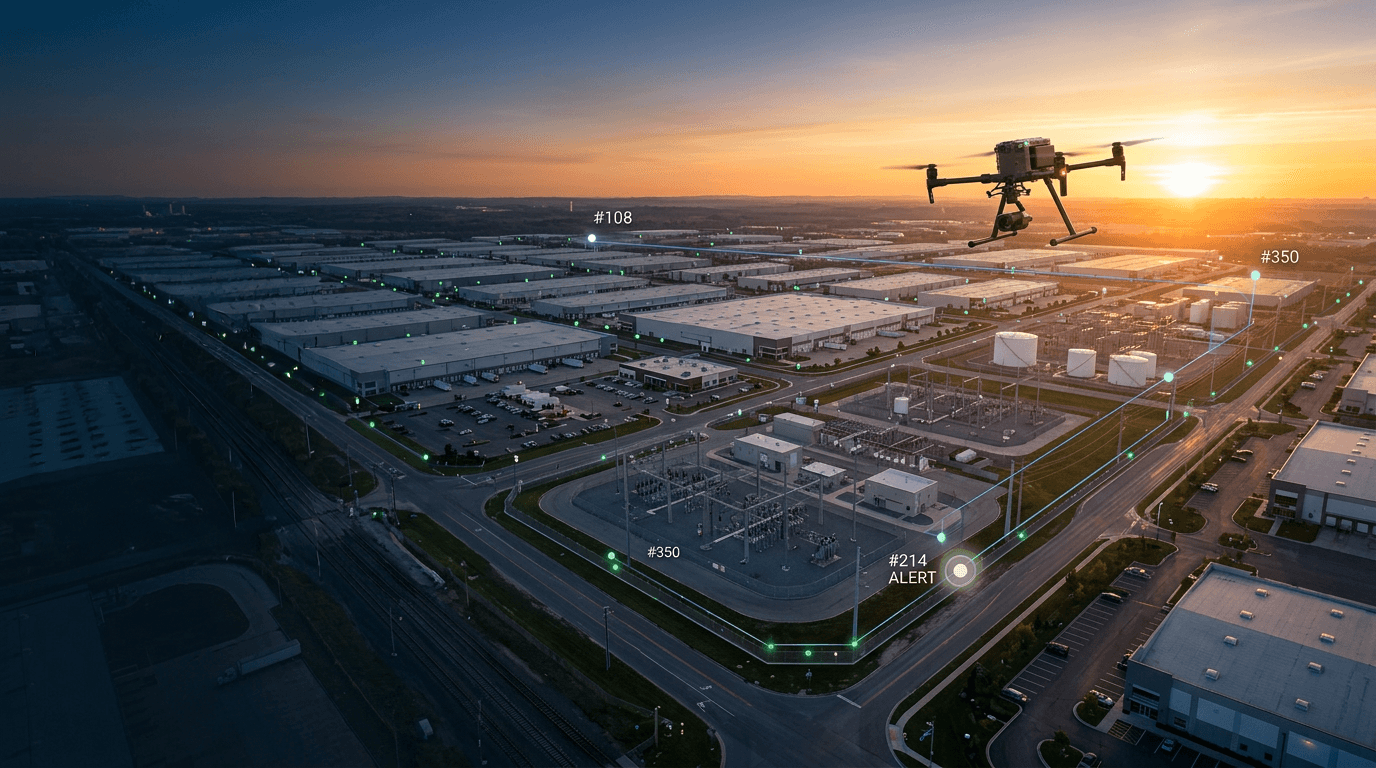
Secure every inch of critical infrastructure with drones and sensors
THE COMPARISON
Same perimeter, two different approaches
THE OLD WAY
Wall-to-wall cameras
- Hundreds of fixed cameras, blind spots between every one
- Miles of conduit, cabling, and mounting hardware to install and maintain
- A guard watching dozens of static feeds, hoping to catch the moment something happens
- Footage after the fact — rarely a response in the moment
THE NEW WAY
Sensors + one drone
- A grid of low-cost sensors covers the full perimeter — no dead zones
- One dock, one drone, minimal wiring compared to a full camera build-out
- A trigger launches the drone automatically — no one has to be watching
- Live eyes on the exact location within moments of the trigger
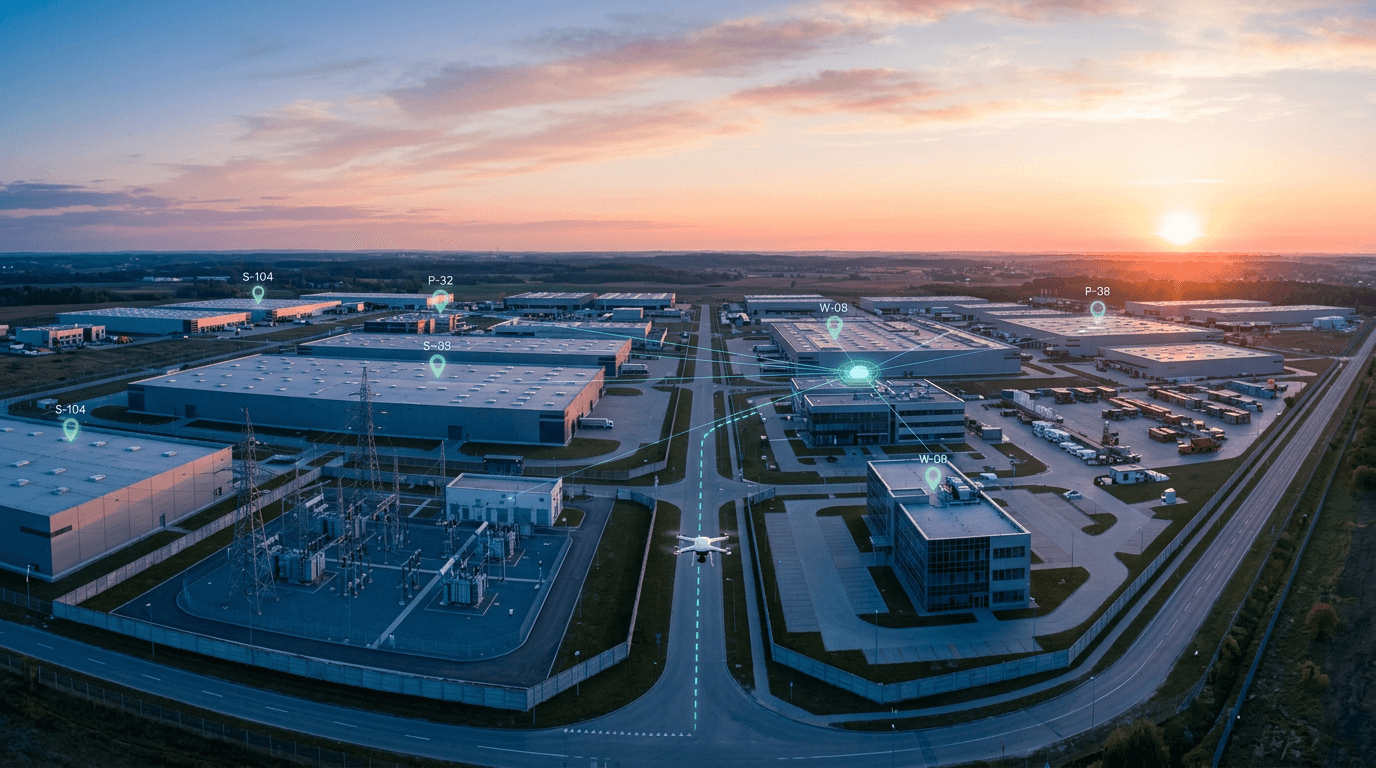
One trigger. One flight. Full visibility.
A sensor is triggered
Ground, fence, motion, thermal, radar, or sonar sensors detect activity anywhere on the property and flag the exact location.
The drone launches
No one has to press a button. The drone lifts off from its dock automatically and heads straight for the trigger point.
Eyes on the location
The drone arrives and streams live HD — and thermal, where it's equipped — video back to your team in real time.
Monitoring team assesses
An operator confirms what's happening, takes manual control if needed, and decides whether to escalate.
Return, log, recharge
The drone returns to its dock, recharges, and the full flight is logged for your incident record — ready for the next trigger.
BUILT FOR CRITICAL INFRASTRUCTURE
Facilities where every acre matters
Rail & transit
Cover miles of track and yard space where fixed cameras run out long before the property line does.
Energy & Substations
Detect fence-line breaches and equipment tampering at unmanned sites, and get a drone overhead before damage is done.
Data centers
Layer aerial verification on top of existing perimeter security to confirm real threats and cut false-alarm dispatches.
Treatment plants & reservoirs
Monitor sprawling, often remote sites with a sensor grid instead of running power and cabling to every corner.
Ports & terminals
Watch cargo yards and waterline access points, and dispatch a drone the moment activity is flagged after hours.
Plants & distribution hubs
Protect loading docks, yards, and fence lines around large-footprint sites without adding headcount for night patrols.
Your existing sensors become the trigger.
The drone doesn't replace your security investment — it responds to it. Connect the sensors already protecting your site, or add new ones where coverage is thin.
Ground Vibrations
Buried or surface sensors that pick up footsteps, digging, or vehicle movement across open ground.
PIR Motion
Passive infrared sensors that detect body heat and movement within a defined range.
Contact
Simple open/closed sensors on gates, doors, hatches, and other access points.
Fence Vibration
Mounted along the fence line to detect climbing, cutting, or impact in real time.
Thermal
Heat-signature detection that spots people and vehicles in total darkness, smoke, or fog.
Radar
Tracks movement and distinguishes people from vehicles across long, open stretches of property.
Sonar
Uses sound-wave reflection to catch movement in tight or obstructed spaces other sensors miss.
Wireless HaLoW Cameras
Game-camera-style units on long-range, low-power Wi-Fi HaLoW — coverage in remote areas with no existing wiring.
Compliance & Control
Confident deployment, on your terms
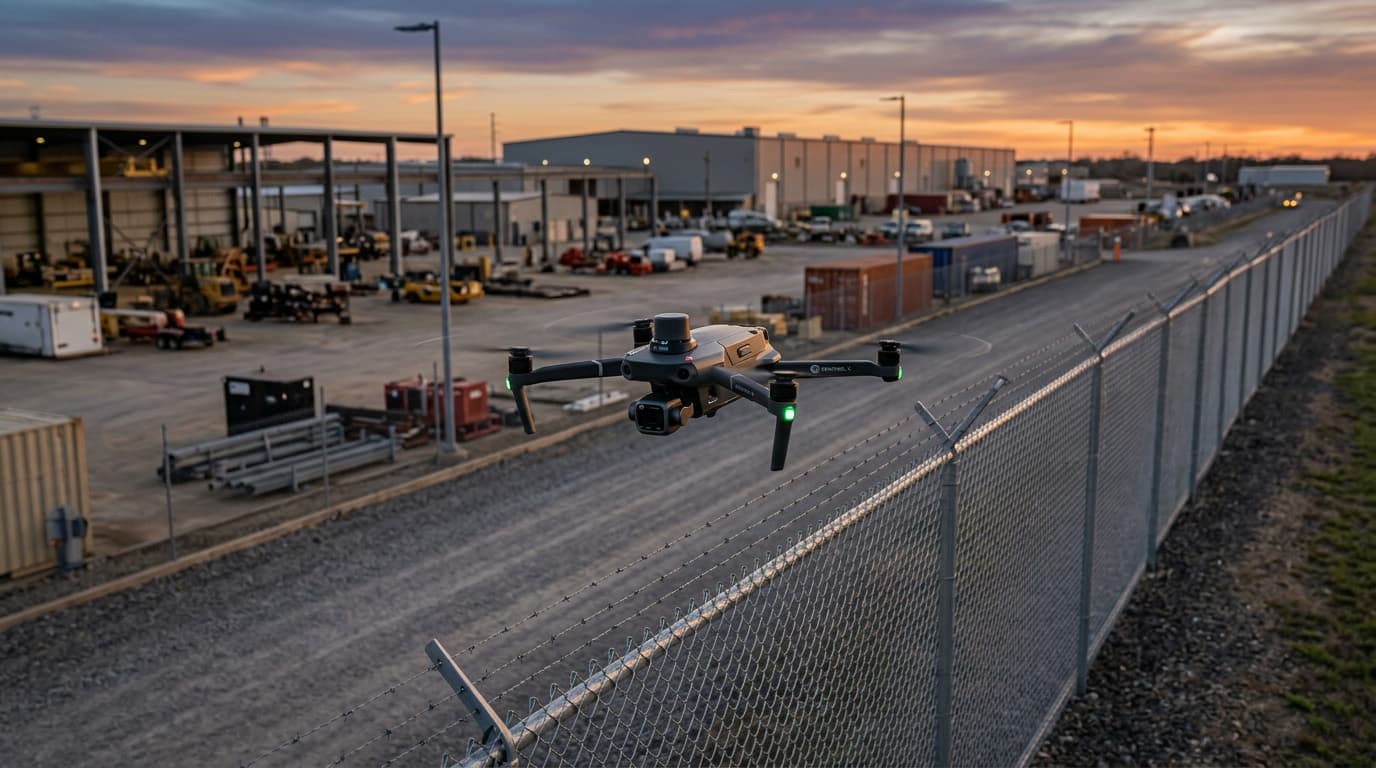
GEOFENCED
Stays on your property.
Flights are geofenced to your site boundary, so coverage never drifts beyond the fence line.
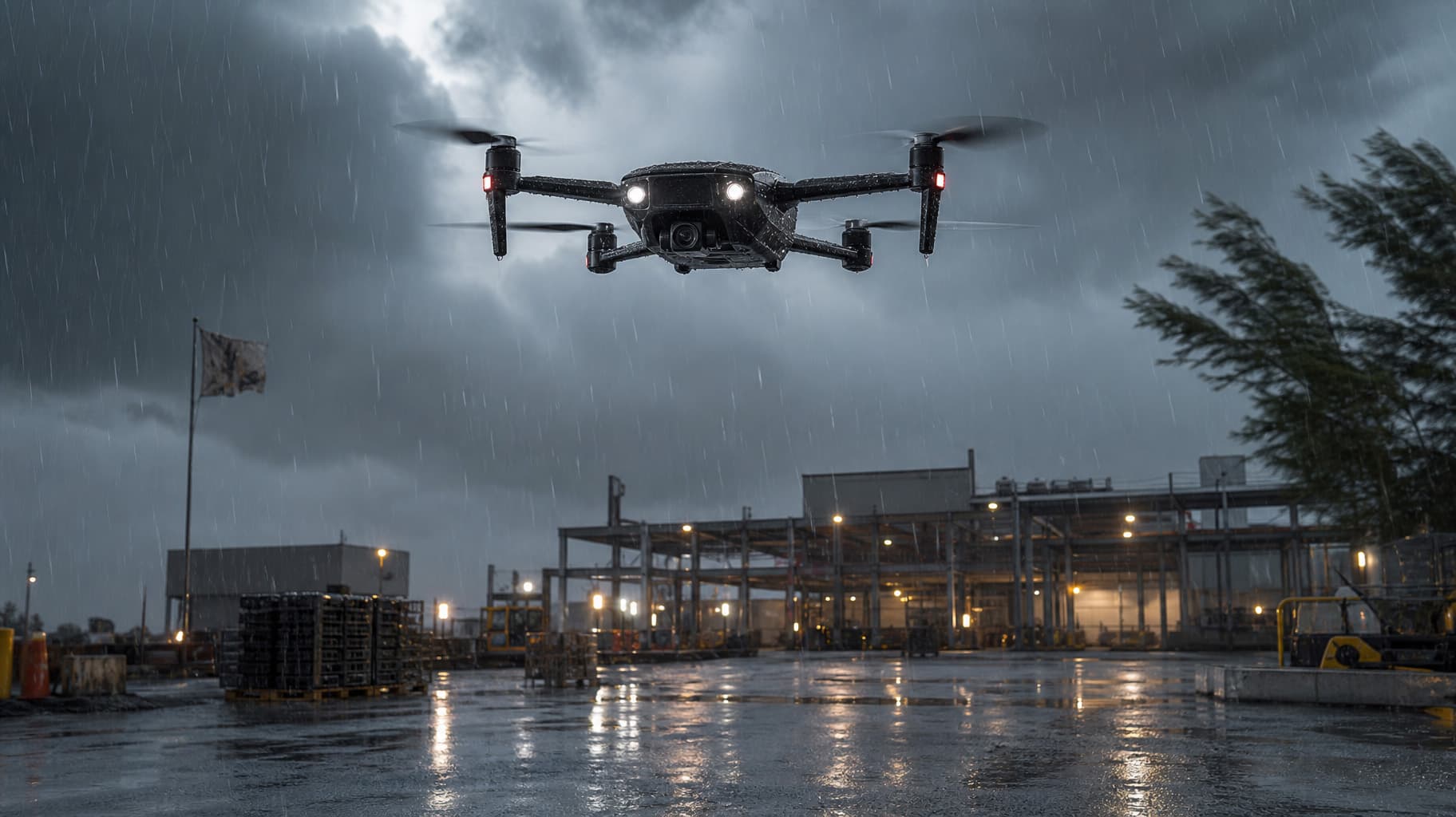
ALL-WEATHER
Rated for the field.
Built to operate in the wind, rain, and temperature swings a working industrial site actually sees.
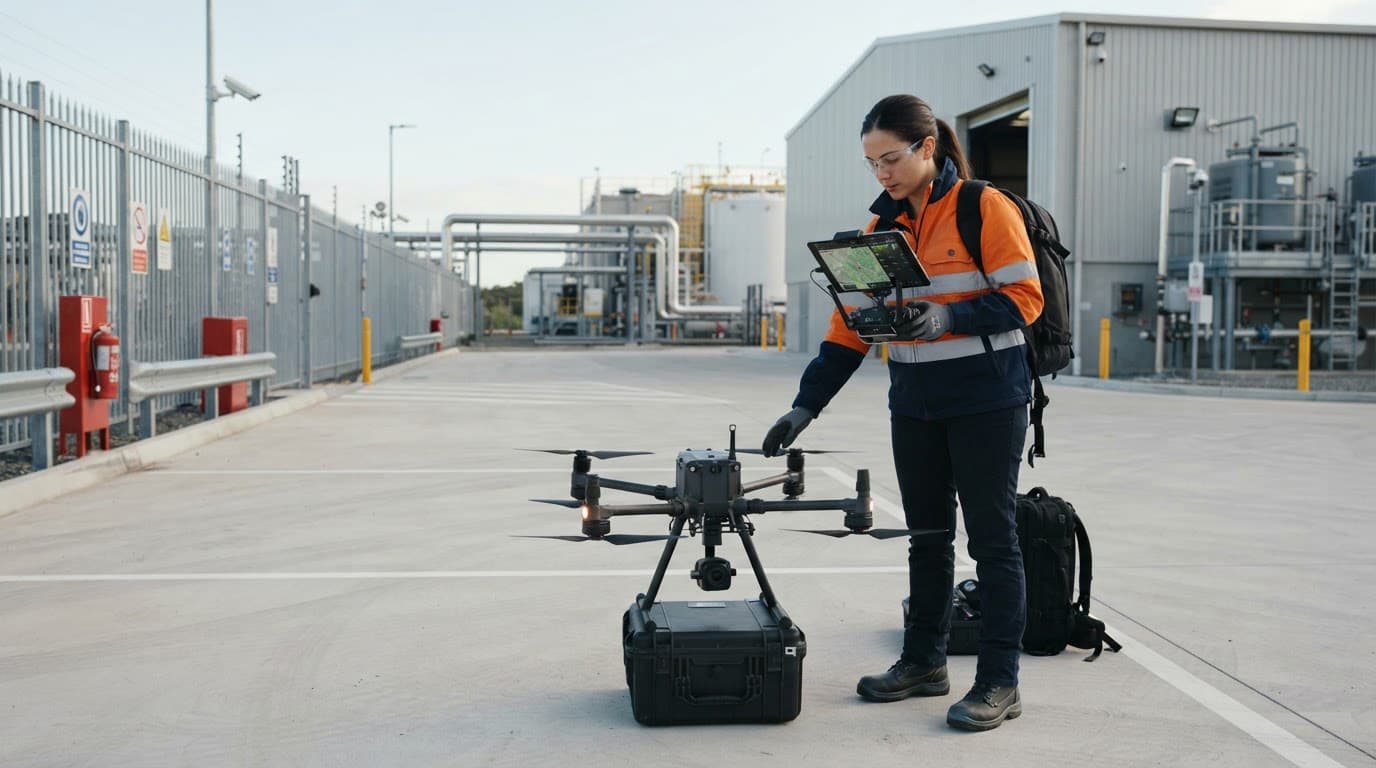
REGULATED
Flown within regulation.
Deployed under applicable aviation waivers and authorizations, with support securing site-specific approvals.
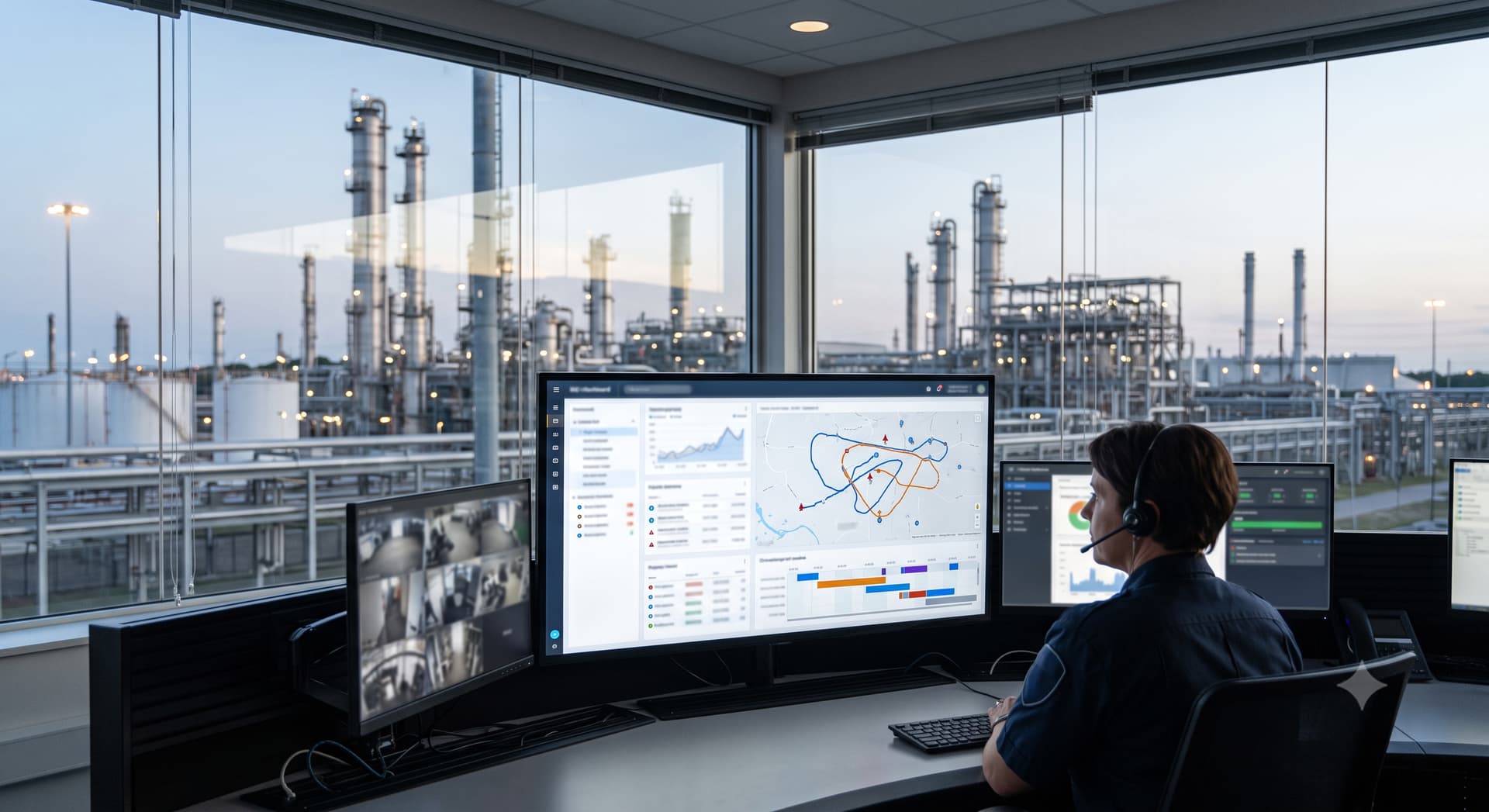
LOGGED
Every flight recorded.
Automatic flight and incident logs give you an audit trail for every trigger, response, and resolution.
Let's map the sensor grid your site actually needs.
We'll walk your perimeter, identify coverage gaps, and put together a sensor-and-drone plan sized to your facility.