
Radar, Thermal Imaging and AI Detection Protect Solar and Wind Farms in Any Condition, Day or Night.
6 min. read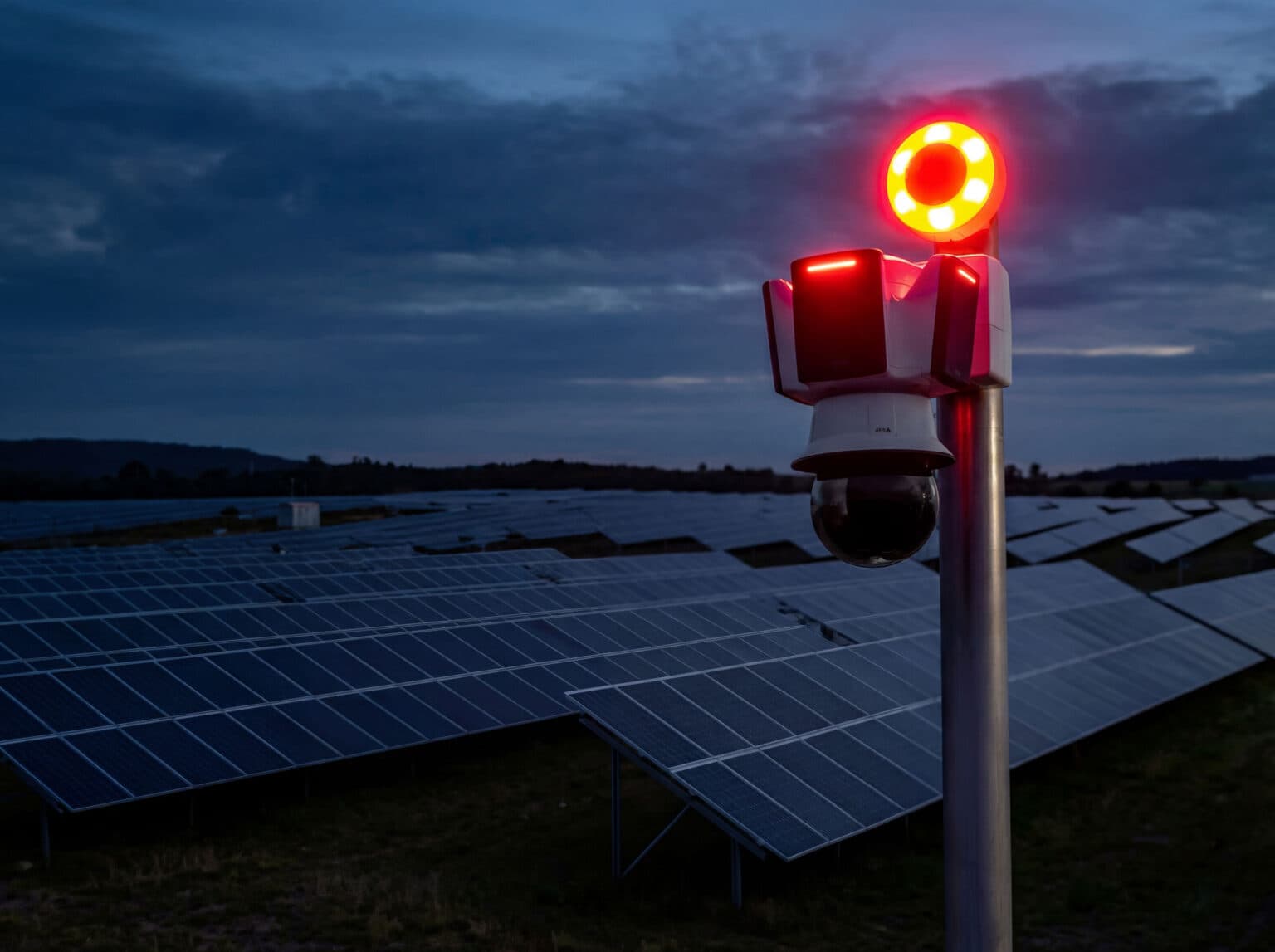
Visual cameras fail in fog, rain, and darkness. Radar, thermal imaging, and AI detection protect solar and wind farms in any condition, day or night.
Most operational solar and wind farms have some form of visual camera coverage. What a lot of operators don't realize until it's tested is that visual cameras have a blind spot built into how they work — and it lines up almost perfectly with the conditions bad actors prefer, whether the intent is theft, vandalism, or something more deliberate.
Visibility is the whole game, and visual cameras lose it fast
Standard cameras depend on light and a clear line of sight. Fog, heavy rain, snow, smoke, and plain nighttime darkness all degrade what a visual sensor can actually make out — sometimes to the point of being functionally useless. That's not a minor edge case for a rural solar or wind site. Low-visibility conditions aren't the exception at these locations, they're routine — and they're exactly when intrusions tend to happen, whether it's someone after copper wiring, someone looking to vandalize equipment, or a more coordinated attempt to disrupt the site, because bad actors of every kind know the odds of being clearly seen and identified drop right along with visibility.
A camera that only performs in daylight and clear weather is providing partial coverage disguised as full coverage. It looks like a security system on paper. It behaves like a gap in practice, at the moment it matters most.
Radar and thermal don't have that blind spot
Radar detects motion and object presence based on reflected signal, not available light — it works identically in total darkness, dense fog, or driving rain. Thermal imaging reads heat signatures, not reflected light, so it identifies a person or vehicle by body heat whether it's pitch black, smoke-obscured, or blowing snow outside. Neither technology cares about the conditions that break a visual camera.
Layering radar and thermal together — instead of relying on visual alone — means the system is actually watching the site under every condition it's likely to face, not just the easy ones.
AI on top solves the other half of the problem: false alarms
Detection systems that flag everything that moves generate so many false alerts that operators tune them out or shut them down. Wildlife, wind-blown debris, and weather all trigger simple motion detection constantly on a large rural site. AI-driven analysis on top of radar and thermal data changes that — trained to distinguish a person or vehicle from a deer, a tumbleweed, or a shadow, it cuts the noise down to alerts that are actually worth a response.
That combination — always-on detection plus intelligent filtering — is what turns monitoring from "something that occasionally cries wolf" into something operators can trust and act on.
What this means for operational sites
- Coverage claims need a conditions test, not just a spec sheet. Ask what the system actually detects at 2 a.m. in fog, not what it detects on a clear afternoon demo.
- False alarm rate is a real cost. A system that isn't trusted gets ignored, and an ignored system provides zero protection regardless of what sensors it has.
- Layered detection beats single-sensor coverage. Radar, thermal, and AI analysis working together close gaps that any one of them has on its own.
A solar or wind farm generating real revenue deserves security that works in the conditions intruders actually choose — whether they're after materials, out to cause damage, or targeting the site for a bigger disruption — not just the conditions a camera happens to handle well.
Want to see what full-condition coverage looks like for your site? Schedule a free security consultation to talk through radar, thermal, and AI-based monitoring built for operational solar and wind farms.
Share this article: